
Stonevegas Casino – Aufregende Spiele & ehrliche Gewinne in Österreich
June 15, 2026Golisimo Spielcasino – kostenlose Drehungen und Willkommensangebote in der Alpenrepublik
June 15, 2026
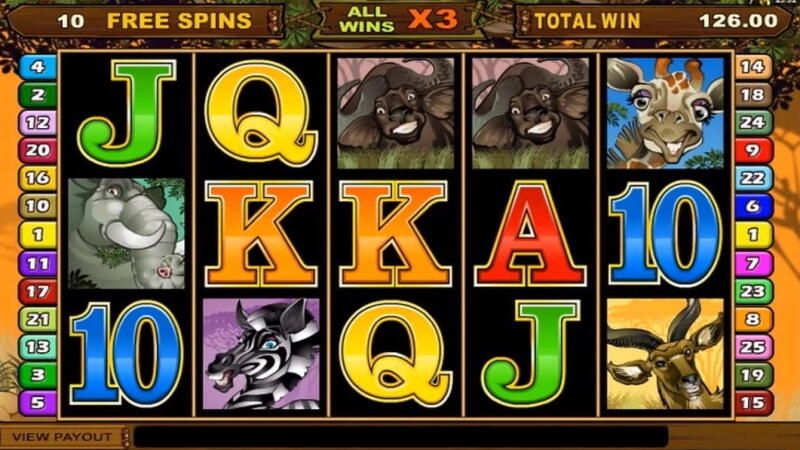
That emotion is certain megamoolahcasino.co.uk. Your heart soars into your throat as the Mega Moolah progressive jackpot wheel rotates, only to land a hair’s breadth from the grand prize. For players across the UK, these near misses are more than just bad beats. They are the essence of myth, vital chapters in the national pastime of chasing the ‘Millionaire Maker’. We’ve listened to hundreds of these accounts, analyzed the game’s mechanics, and shared that collective national intake of breath when the reels stop. Mega Moolah isn’t merely just any slot. It’s a fixture of British online gaming, and its near-miss stories are integral to its appeal. They tease, they haunt, and they keep the aspiration alive that the very next spin could alter everything. Here, we’re pulling apart those nail-biting moments. We’ll look at why they seize us so deeply and share some unforgettable tales from players who nearly touched the jackpot.
Contrasting Near Misses Across Jackpot Tiers
Near misses in Mega Moolah are not uniform. The tier you nearly hit changes the story entirely. Missing the Mini or Minor jackpot might get a resigned sigh—they’re decent wins but not transformative. The real mental game begins with the Major and Mega tiers. A near miss on the Major jackpot (landing on the Mini or Minor) often comes across as a practice run, a hint you’re in the bonus round zone. But the most captivating tales, like Dave’s, center on winning the Major when the pointer was next to the Mega. This is the definitive mixed blessing—a sum that can pay debts or fund a holiday, yet perpetually overshadowed by the millions that slipped away. On the other hand, the real heart-stopper is when the wheel stops alongside the Mega segment but pays out a much lower tier, like the Mini. This vast disparity—being one position from millions but getting thousands—creates a particular combination of elation and agony that drives the most iconic near-miss posts on UK gambling forums.
Converting a Near Miss into a Constructive Strategy
Near misses are emotional, but you can employ them to craft a more precise, more measured approach to Mega Moolah. Start by acknowledging a near miss for what it is: a significant win that wasn’t the top prize. Take enjoyment in the real money you’ve genuinely won, not the imaginary millions you didn’t. Shifting your perspective is essential for entertainment and sensible play. Next, view any tangible win from a near miss as excellent fuel for your bankroll. That £2,000 Major win? That could finance another 1000 spins at £2 each, prolonging your play and future possibilities without another deposit. Thirdly, regard the experience as a logical stopping point. The urge to instantly follow the near miss is potent, so we advise collecting your winnings, leaving the game, and savoring the success. And lastly, relate your story. Sharing your near-miss experience completes the circle. You affirm your own session, enhance to the game’s thrilling narrative, and inform fellow players that while the Mega Jackpot is the ultimate goal, the path to it is marked with its own exciting, bank-friendly milestones.
Famous UK Near-Miss Lore and Community Tales
The UK Mega Moolah community prospers on a foundation of common near-miss legends. One story that does the rounds involves a player from Manchester who reportedly triggered the bonus wheel three times in a single session. He supposedly landed next to the Mega Jackpot twice and won the Major on the third spin. Whether fully true or polished over time, stories like this become part of the game’s fabric. Another repeated motif is the ‘first spin near miss’, where a beginner or someone trying the game for the first time has a remarkably close call, drawing them in for good. We’ve also seen full forum threads where people dissect screenshot angles, arguing over whether a pointer was “actually on the line”. This collective analysis goes beyond share anecdotes. It builds a common language and a set of shared touchstones. It makes individual play into a group spectator sport, where everyone observes to see which forum regular will finally narrow that tiny gap and end the near-miss streak.
What Makes Near Misses Draw In UK Players
A near miss does more than disappoint. It acts as a psychological tripwire that drives Brits straight back for another go. Behavioural experts cite the same effect in old-school fruit machines, where the reels stop just shy of a winning line, fostering a strong sense of being ‘next in line’. Mega Moolah amplifies this and blows it up a communal spectacle. When that wheel stops beside the Mega segment, our brain’s reward centres activate almost as if we’d actually won. This solidifies the act of spinning without the payout. For a UK audience accustomed to betting shops and arcades, this sensation is second nature. It taps into our natural optimism and ‘almost had it’ spirit. Add in social media and forums, and these near-miss tales become shared cultural moments. They connect players in a common “what if” story, feeding the game’s mythos up and down the country.
The “So Close” Social Media Phenomenon
Take a look at any UK casino forum or Facebook group. You’ll find a goldmine of near-miss screenshots and clips. This public sharing is a major part of why Mega Moolah remains so popular. Players don’t just complain privately. They share their painful almost-wins to the world, usually with captions like “I can’t believe it!” or “Never been so gutted to win £500!”. We’ve seen how this establishes a compelling cycle. It begins by confirming the player’s experience—they get condolences and reactions from others. Next, it functions as brilliant, authentic marketing for the game, showing the jackpot is genuinely within reach. Finally, it builds a community among UK players, all subscribing to the same high-stakes lottery. These shared near misses enter the game’s folklore. Particularly famous close calls get talked about for years. They transform personal frustration into a shared, motivating story where the next winner could be any person, even the person who narrowly missed out last week.
In what manner Game Design Heightens the Tension
The design team at Microgaming has mastered how to build suspense, and Mega Moolah is their showpiece. Every component is adjusted to make near misses feel extremely dramatic. Here are the main techniques at play:
- The Wheel Display: The prominent, colorful wheel is the main stage. The Mega Jackpot slice is always gold and clearly marked, drawing your focus. The pointer is bold and unambiguous, making its final position starkly obvious.
- Audio Engineering: Sound is key. A building musical score rises as the wheel spins, giving way to a series of tense clicks as it slows. The final ‘clunk’ onto a non-Mega segment is unmistakable, often followed by a slightly muted fanfare compared to a Mega win, subtly underscoring the ‘miss’.
- The Pace & Braking: The wheel’s spin physics are coded for peak drama. It doesn’t just stop. It decelerates in a way that makes the pointer seem to float between segments, extending that moment of hope to its absolute limit.
None of this is by chance. It’s purposeful, skilled game design that turns every bonus round into a cinematic event, guaranteeing near misses are remembered.
Dave from Derby: The One That Slipped Through
We got a message from Dave, a Derby carpenter, whose account sums up the Mega Moolah journey. On a calm Tuesday night, he landed the bonus wheel after a £2 spin. As the wheel started turning, Dave said his anticipations were modest. Then it decelerated. “My heart was pounding in my ears,” he recalled. “The pointer crawled past the Mini, then the Minor, and seemed like it was creeping around the Major. It edged forward… and snapped firmly onto the segment *right before* the Mega Jackpot.” Dave secured the Major prize—a fantastic £3,400 win by any measure. But his overriding feeling was one of utter astonishment at what might have been. He told us he just looked at the screen for five full minutes, replaying in his mind the spin. This story highlights a key point: a Mega Moolah near miss often brings a generous consolation prize. Yet the player’s mind stays locked on the multi-million pound fantasy that felt so close, resulting in a distinctly bittersweet win that sticks with you.
The Structure of a Mega Moolah Near Miss
To encounter a near miss in Mega Moolah, you need to know how this Microgaming classic operates. The main event is the bonus wheel, activated by landing three or more scatter symbols. This is where the tension peaks. A near miss here has nothing to do with the main reels. It’s all about that wheel of fortune rotating with nerve-shredding suspense before stopping on the slice directly next to the Mega Jackpot. After watching endless hours of gameplay, we can attest to the raw power of this split second. The visuals and sounds are expertly tuned. The wheel’s rotation slackens, the pointer looks to hang in the balance, and the celebratory jingle for a smaller prize rings out just as you realize you were one notch from a life-changing sum. This isn’t a random event. It’s a crafted experience that leverages the ‘near-win’ effect perfectly, maintaining intense engagement and making players sense perpetually on the verge of a massive score.
Psychological Impact: From Annoyance to Determination
The immediate reaction to a near miss is typically a sudden pang of frustration, even rage. We’ve all experienced it—shouted at the screen, put our head in our hands. But what captures our attention is the quick psychological change that usually comes next. That irritation gets rapidly reframed by our brain as evidence that success is near. The reasoning goes: “If I got that tight, I must be to land the big one.” This converts frustration into a firm determination to continue playing. The ‘gambler’s fallacy’ is in full force here. Players persuade themselves the random number generator owes them, or that their strategy is paying off and the jackpot is now attainable. For many UK players we’ve spoken to, this results in longer playing sessions right after a near miss, as they seek proof of their almost-win. It’s a key juncture where responsible gambling restrictions are most important, because the emotional drive to ‘see it through’ can be remarkably intense.
